


Sliding windows solve a problem the other styles can't touch.
Nothing leaves the frame. No sash swinging into a walkway, a patio set, a hose reel, or six inches of side yard between you and a block wall. The sash moves sideways and stays inside the opening it started in.
That's why sliders end up in the widest openings in the house, in tight lot lines, and above driveways on the second floor.
There's a maintenance argument too. No crank hardware. No hinge arms. No balance springs holding a sash against gravity. After ten Arizona summers, that shorter list of parts is the difference between a window that still glides and one that fights you.


Most homes we work in use more than one. Here's the rest of the lineup.
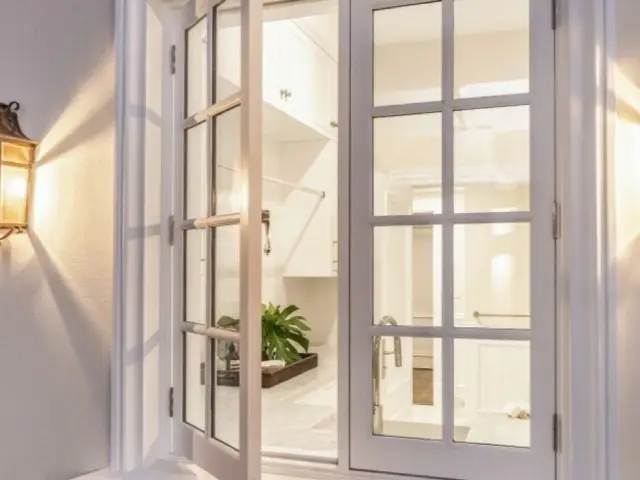

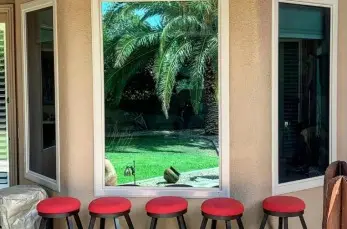
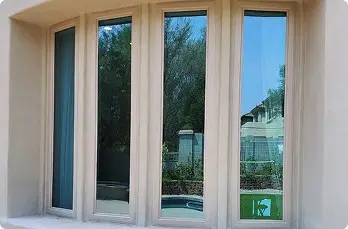
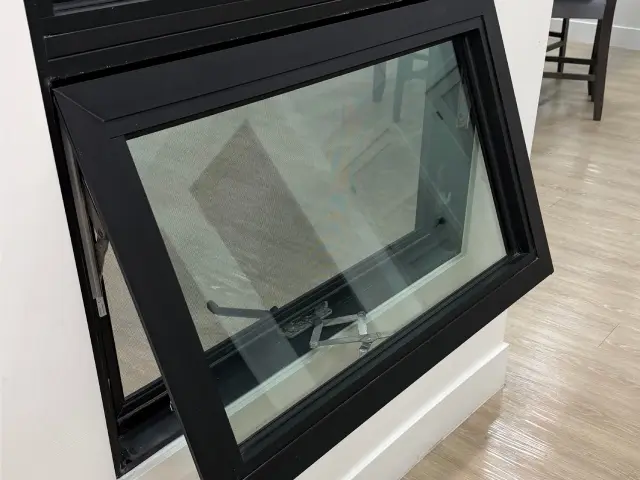


Yes, when they're installed right. A slider seals along weatherstripping and brushes in the track, and modern units are built for exactly this kind of climate. Where sealing fails is almost never the window. It's the perimeter of the opening, which is why our Seal-N-Shield™ process exists and why our lifetime labor warranty runs for as long as you own the house.
Nothing. Manufacturers pick different words for the same product. Andersen says "gliding"; most others say "sliding". A competing quote listing gliding windows is quoting you the same horizontal-track unit.
Sliding windows cost less than most operable styles, since there's no crank hardware and fewer parts to build. What moves your number is opening size, glass package, frame material, and project volume. We measure first, then quote.
Frame material and glass package outrank style. Vinyl and composite slow heat transfer better than bare aluminum, and among operable styles, casement holds the tightest seal.
On sliding windows in Phoenix, where west-facing walls take direct afternoon sun for months, installation is still the ultimate factor. A premium unit sealed poorly leaks anyway. Our Seal-N-Shield™ installation process handles that part.
Two. A single slider opens half the window, so a casement moves more air through the same rough opening. And the bottom track collects dust, which earns a vacuum a couple times a year in a climate like this one.
Single sliders move one sash and cost less. Double sliders move both, which doubles your opening and lets you vent from whichever side the breeze is on. We bring both to your consultation.
Direction. A slider moves sideways on rollers; a single hung lifts vertically on a spring balance. The sliding window vs single hung choice usually comes down to what fails first, and it's the balance system. We don't stock single hung for that reason.